Being injured at work turns your whole life upside down. One day, you are earning, working, and moving through your routine. Next, you are at home, unsure when you can go back or if things will ever feel normal again.
The good news is that returning to work after injury does not have to be a guessing game. Occupational therapy (OT) gives injured workers a clear, structured path back to work. 93% of participants in a structured therapeutic Return to Work program were employed at the two-year mark, outperforming every comparison group in the study.
Here is exactly how it helps.
1. OT Looks at Your Whole Life, Not Just Your Injury
Before anything else, your occupational therapist looks at your whole life, not just your injury. How you sleep, how you move at home, how long you can sit or stand, and what your job actually needs from you every day.
Knowing all of this, your OT will build a recovery plan that fits your real life and your real job, not a generic plan that works for nobody in particular.
2. Fear of Returning? OT Rebuilds Your Confidence First
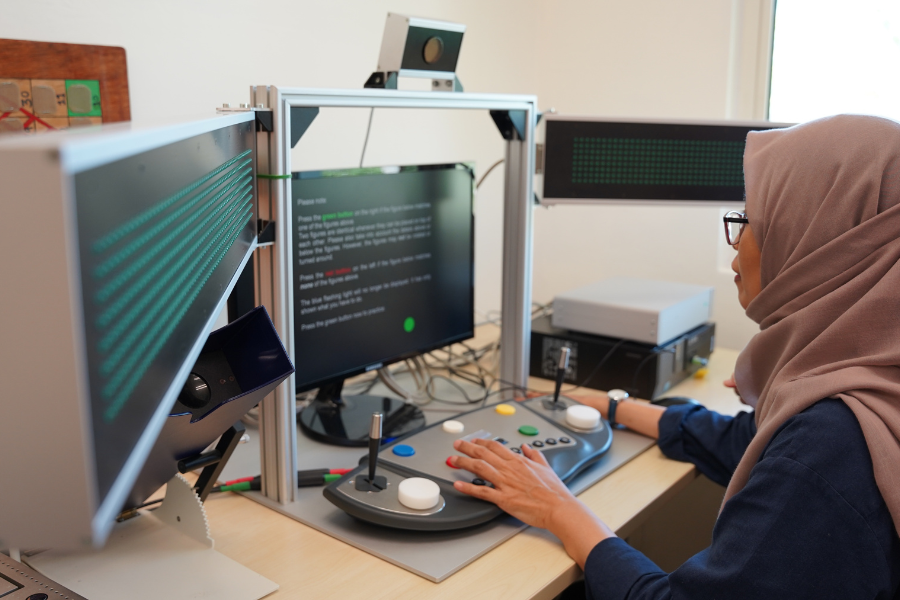
Many injured workers are physically ready to return to work, but mentally, they feel stuck. Fear of getting hurt again, worry about keeping up with the workload, and loss of confidence are all very common after an injury.
OT addresses this directly. Your therapist uses small, manageable tasks to help you rebuild confidence week by week. Over time, returning to work shifts from something that feels impossible to something that feels within reach.
Research in the American Journal of Occupational Therapy found that over 60% of injured workers experienced anxiety or depression during recovery. OT reduced these symptoms significantly when included in the rehabilitation plan.
3. OT Trains You for Your Specific Job Tasks
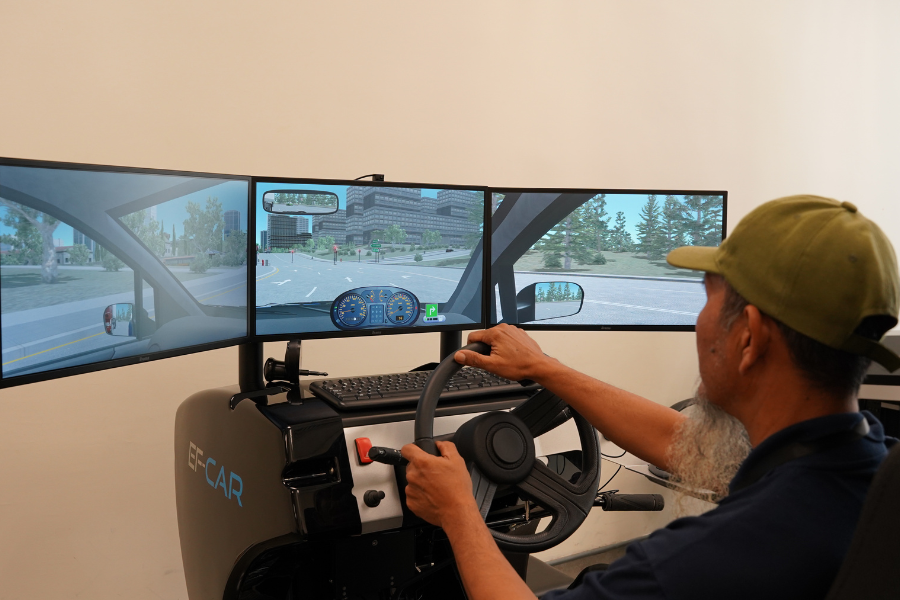
A general recovery programme is not enough. Occupational therapy for adults focuses on the specific tasks your job requires, whether that is typing, lifting, standing for long hours, or staying focused through a full shift.
Your OT practises these tasks with you step by step until your body and mind are genuinely ready. You do not just go back to work. You go back prepared.
4. Not Fully Healed? Advanced Devices Get You Back Safely
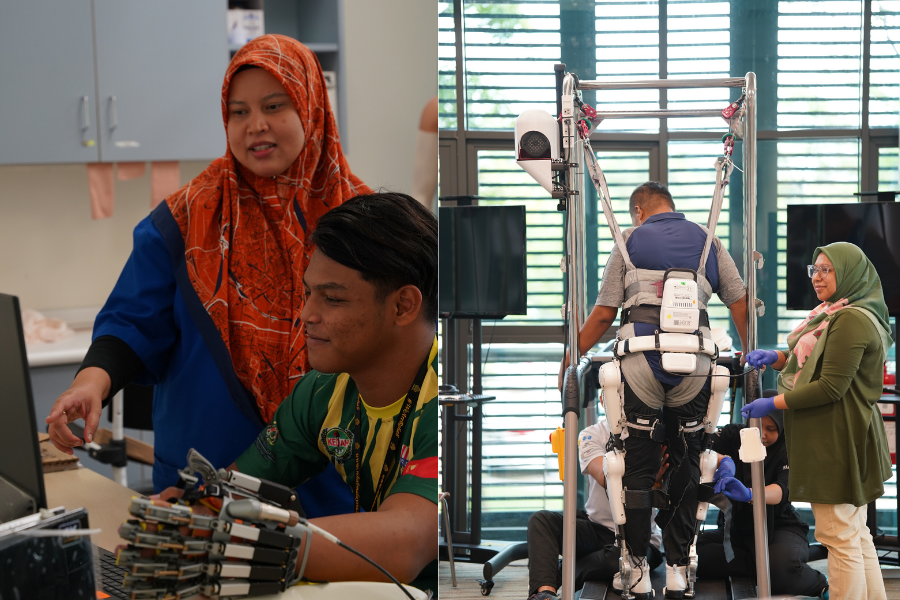
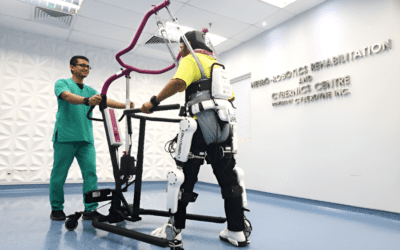
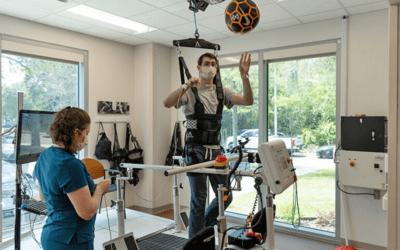
You do not always need to wait until you are fully healed before going back. During your recovery, devices like Hand of Hope help you regain hand movement, and Cyberdyne’s HAL supports and retrains weakened limbs so that by the time you return to work, your body is stronger and more capable than it would have been without them.
5. OT and PERKESO Give You a Structured Way Back
Many injured workers do not know where to start with structured recovery. The PERKESO rehabilitation programme provides a clear, organised path for workers, covering OT sessions, assistive devices, vocational training, and return-to-work planning.
Your OT guides you through the entire process, makes sure nothing is missed, and ensures you have the right support in place at every stage of your recovery.
6. Returning Too Soon? OT Keeps You Safe With a Plan
Going back too soon without a plan is one of the most common reasons injured workers get hurt again. Physical dysfunction occupational therapy prevents this by creating a phased plan that starts with lighter duties and gradually builds back to your full role.
Your OT also prepares a clear report for your employer explaining what you can and cannot do right now. This protects you on the job and removes confusion in your workplace.
7. OT Prepares You Daily Until Work Feels Normal Again
Long periods away from work break down your daily structure. Sleep becomes irregular, motivation drops, and days feel empty. This makes returning to work after injury feel even harder than it already is.
OT helps you rebuild a simple, consistent daily routine during recovery, managing your energy, structuring your time, and adding purposeful activity back into your day. When your days have shape again, your mind starts believing that work is possible again.
Start Your Recovery With a Real Plan
Feeling unsure about going back to work is completely normal.
What matters is not waiting too long.
With the PERKESO Rehabilitation Programme, you’ll have a team that understands your challenges and supports you with occupational therapy, assistive devices, and a personalised return-to-work plan.
Talk to our team today, and we’ll walk this journey with you.
Connect with us: www.rehabmodalities.com
To learn more, write to us: info@rehabmodalities.com