by Rehab Modalities | Jul 15, 2024 | Neuro Robotics
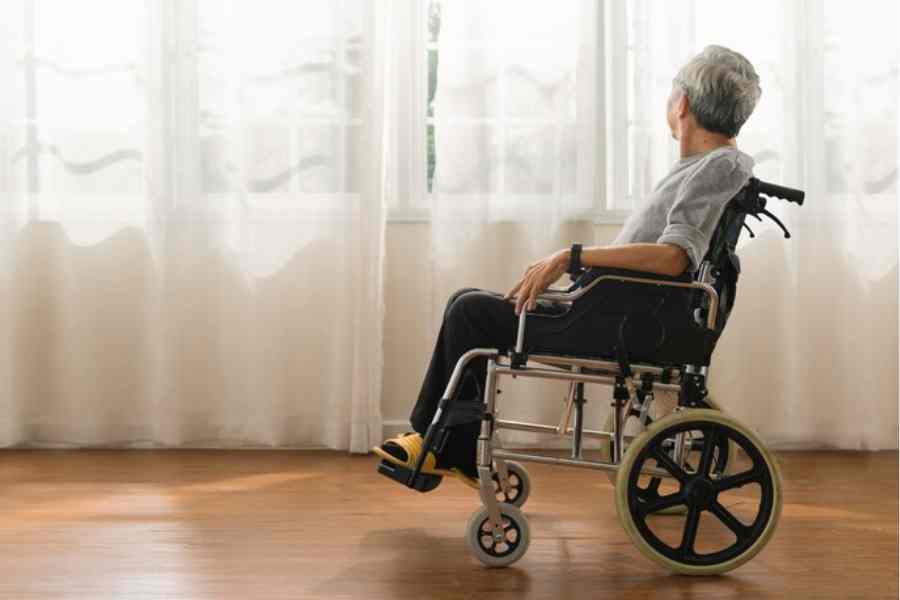
According to WHO – The World Health Organisation defines paralysis as a central nervous system disorder that results in difficulty or inability to move the upper or lower extremities. When nerves can’t send signals to muscles, it causes...
by Rehab Modalities | Jul 8, 2024 | Neuro Robotics
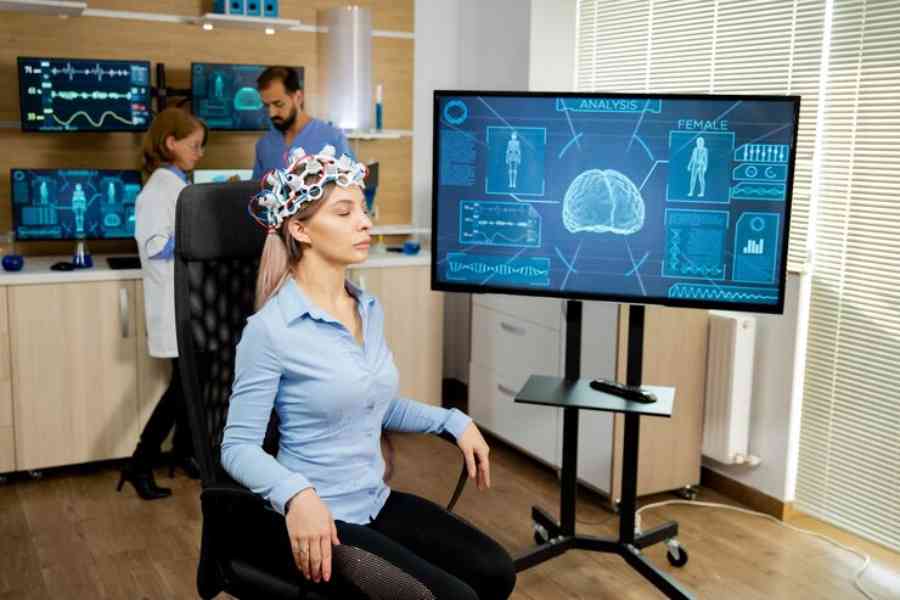
Brain-computer interfaces are a new form of communication that doesn’t rely on muscle control. This technology has great promise for enabling ALS patients to interact with their surroundings and is also used in stroke rehabilitation. This article covers the...

by Rehab Modalities | Jun 29, 2024 | Neuro Robotics
When we have a long-lasting response to a traumatic event… Some life events can cause trauma. This risk exists when our life is in danger when we witness other people dying, or when we experience psychological, physical, or sexual violence. Psychological trauma...
by Rehab Modalities | Jun 27, 2024 | Neuro Robotics
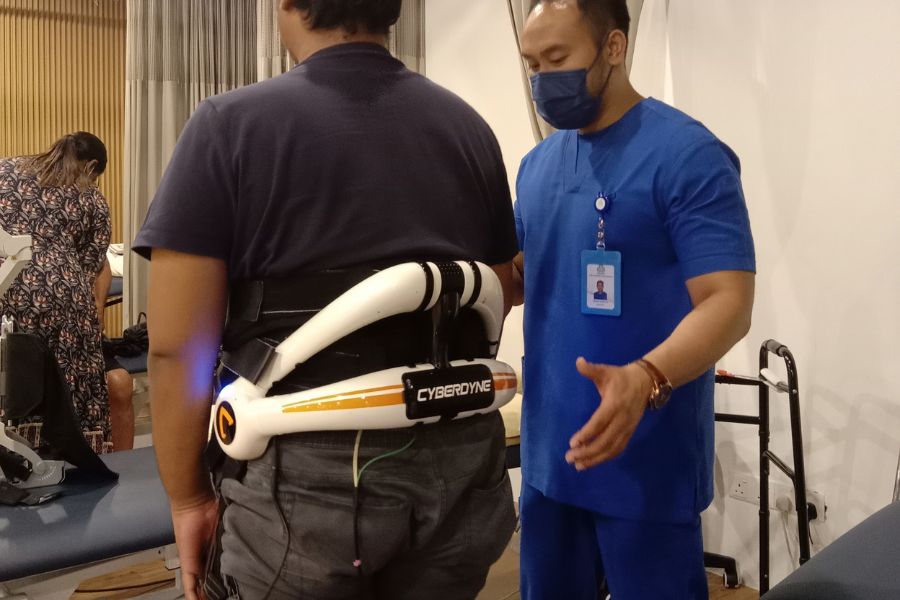
Cyberdyne’s HAL Lower Limb exoskeleton improves movement in stroke, spinal cord injury, and neuromuscular disease patients. It assists patients in moving their paralysed legs based on their intentions and utilises the body’s feedback system to enhance gait...
by Rehab Modalities | Jun 25, 2024 | Neuro Robotics
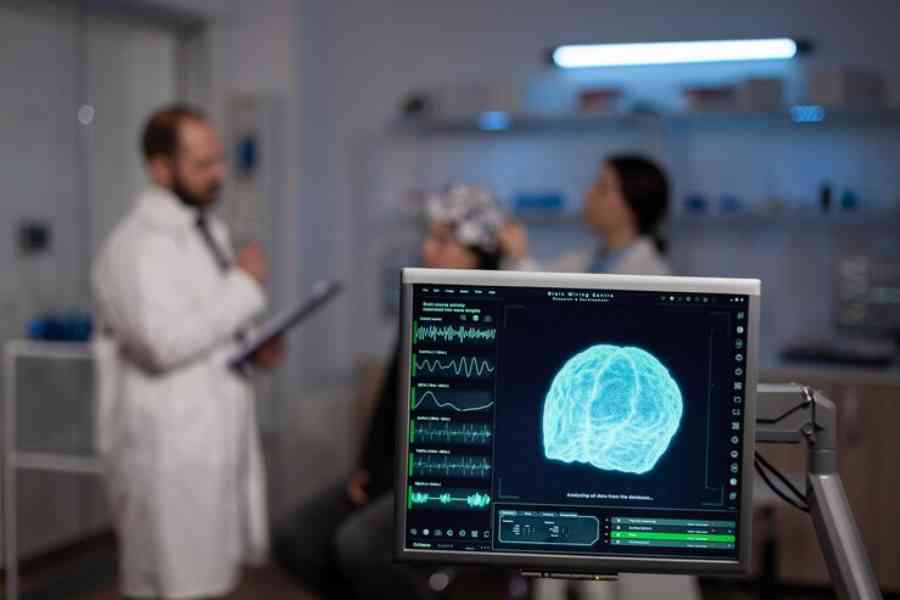
The progress in Computer Technology, bioengineering, and neuroscience has opened up new opportunities for neurorecovery through Brain-Computer Interfaces (BCI). This field is increasingly important for clinicians treating individuals with long-term functional deficits...